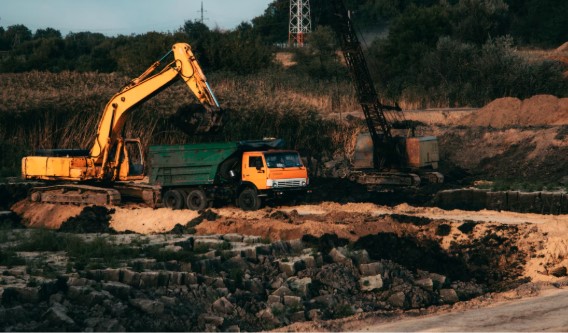
The success of any construction project, whether it is a small residential addition or a massive commercial complex, begins beneath the surface. Excavation is the critical first step that determines the stability and longevity of the entire structure.
Because this stage involves complex tasks like land clearing, trenching, and grading, selecting a reliable excavation company is one of the most important decisions a project manager can make.
A mistake during the digging phase can lead to costly delays, structural failures, or even legal complications. To ensure your project starts on solid ground, here are six essential factors to consider when evaluating potential contractors.
1. Licensing and Comprehensive Insurance
The most fundamental requirement for any contractor is proper documentation. Excavation involves significant risks, including the potential for hitting underground utility lines or causing soil instability.
You must verify that the excavation company holds all necessary local licenses and permits required to operate heavy machinery.
Furthermore, they must carry comprehensive general liability and workers’ compensation insurance. This protects you from financial responsibility in the event of an accident or property damage during the digging process.
2. Specialized Equipment and Technology
Different projects require different tools. A company that only owns small skid steers may not be equipped to handle deep foundation digging or large-scale site preparation. Inquire about the age and variety of their fleet, including excavators, backhoes, and dump trucks.
Modern contractors often utilize GPS-guided machinery to achieve extreme precision in grading and leveling. Choosing an excavation company that invests in well-maintained, modern technology ensures that your site is prepared efficiently and to exact architectural specifications.
3. Experience with Local Soil Conditions
Soil composition can vary drastically from one region to another, ranging from stable rocky terrain to shifting clay or sandy loam. A contractor who understands the local geology will know how to manage drainage issues and prevent soil erosion.
When interviewing a potential excavation company, ask about their experience with similar terrain in your area. Their ability to anticipate how the ground will behave during and after excavation is vital for preventing future foundation settling or water pooling issues.
4. Safety Record and Protocols
Safety should never be a secondary concern on a construction site. Excavation is inherently dangerous due to the risk of trench cave-ins and heavy equipment movement. Ask potential partners about their safety training programs and their history of site accidents.
A reputable company will have strict protocols for shoring, sloping, and utility marking before a single shovel hits the dirt. A clean safety record is a strong indicator of a professional culture and a well-managed operation.
5. Transparency in Estimates and Scheduling
Construction projects operate on tight budgets and even tighter timelines. When requesting quotes, look for a detailed breakdown of costs, including mobilization fees, hourly rates for labor, and debris removal charges.
Be wary of bids that are significantly lower than the average, as they may indicate hidden costs or a lack of proper insurance.
A professional excavation company will provide a realistic timeline for completion and maintain open lines of communication regarding any weather-related delays or unexpected underground obstacles.
6. Environmental Responsibility and Waste Management
Modern building projects must adhere to strict environmental regulations regarding dust control and the disposal of excavated materials. Inquire about the company’s waste management policies.
Do they recycle cleared timber or concrete? How do they handle the discovery of contaminated soil? Selecting a contractor who prioritizes sustainable practices and follows environmental laws not only protects the ecosystem but also prevents your project from facing stiff regulatory fines.