The selection of a floor surface for a commercial environment is a decision that impacts operational efficiency, safety, and brand image. Unlike residential spaces, commercial properties must withstand intense foot traffic, heavy equipment, and strict regulatory standards.
The right material can reduce maintenance costs and enhance the productivity of the workforce, while a poor choice may lead to premature wear or safety hazards.
From retail boutiques to industrial facilities, the physical foundation of the business sets the tone for the entire professional atmosphere. Here are six critical factors to evaluate when choosing the most appropriate surface for your commercial property.
1. Durability and Resistance to High Traffic
The most vital consideration for any business is how well the material survives daily wear. Commercial spaces often host hundreds of visitors, meaning the surface must resist scuffs, scratches, and impact.
Materials such as luxury vinyl tile or polished concrete are popular because they maintain their appearance under extreme pressure.
Evaluating the hardness and density of the product ensures that the floor will not degrade quickly, thereby protecting the initial capital investment and avoiding the disruption of frequent repairs.
2. Specialized Requirements for Flooring for Dairy Farms
Agricultural and food processing environments require surfaces that can handle unique biological and chemical stresses. When selecting flooring for dairy farms, the material must be non-porous to prevent the growth of bacteria and easy to sanitize with high-pressure cleaning systems.
Furthermore, slip resistance is a primary safety concern for both the workers and the livestock. Utilizing heavy-duty resin or specialized rubber ensures that the environment remains hygienic and safe while resisting the corrosive effects of organic waste and cleaning agents.
3. Precision and Aesthetics in Hardwood Flooring Installation
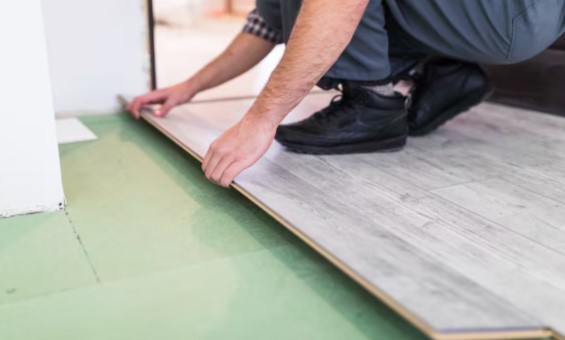
In executive offices or high-end retail stores, the visual appeal of natural wood is often preferred for its warmth and sophistication. Achieving a professional finish requires a meticulous hardwood flooring installation to ensure that the planks are perfectly aligned and acclimated to the environment.
Proper fitting prevents warping and gaps that could occur due to temperature fluctuations in a large commercial building. A high-quality installation not only provides a luxurious aesthetic but also contributes to the structural stability of the room.
4. Ease of Maintenance and Long-Term Care
The cost of a floor is not just the purchase price; it includes the labor and materials required to keep it clean. For a commercial place, it is best to choose surfaces that do not require specialized waxing or frequent deep scrubbing.
Many modern synthetic materials are designed with protective coatings that repel stains and dust. Reducing the time needed for janitorial services allows the business to allocate resources elsewhere while ensuring that the premises always look pristine for clients and partners.
5. Acoustic Performance and Noise Reduction
In open-plan offices or healthcare facilities, noise control is essential for a focused and calm atmosphere. Hard surfaces tend to reflect sound, which can lead to a loud and distracting environment.
Materials with acoustic backing or natural sound-absorbing properties, like cork or specific carpet tiles, can significantly dampen the echoes of footsteps and conversations.
Selecting a floor with good sound insulation improves the overall comfort of the space, leading to higher levels of employee satisfaction and customer retention.
6. Safety Standards and Slip Resistance
Protecting employees and customers from slip-and-fall accidents is a legal and ethical necessity. Every commercial floor must meet specific traction standards, especially in areas prone to moisture such as entrances or kitchens.
Many manufacturers offer textured finishes that provide extra grip without compromising the style of the material.
By prioritizing safety in the selection process, a business reduces its liability and demonstrates a commitment to the well-being of everyone who enters the building.