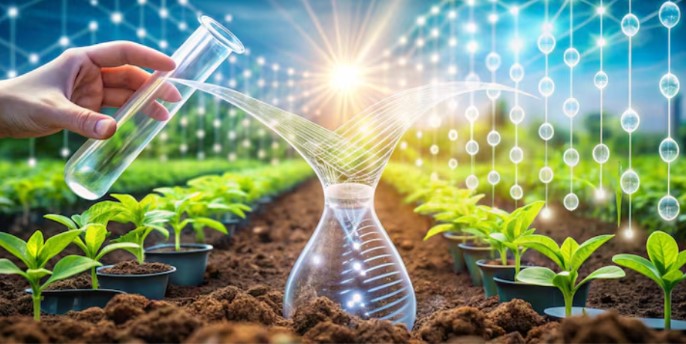
Farming has always been a critical part of human life, providing food, fiber, and raw materials for our daily needs. In recent years, technology has transformed traditional farming practices, making them more efficient and productive. One of the most promising advancements is the use of nanotechnology in farming. This modern approach allows farmers to use resources smartly, monitor crops precisely, and improve overall agricultural productivity. By combining nanotechnology with smart and precision agriculture, the future of farming is becoming more sustainable and innovative.
Understanding Nanotechnology in Farming
Nanotechnology involves manipulating materials at the molecular or atomic level. In agriculture, it is applied to create tools, sensors, and materials that enhance farming processes. For example, nanoparticles can improve the delivery of fertilizers, pesticides, and nutrients to crops. This ensures that plants receive exactly what they need without overusing chemicals, which can harm the soil and environment. Nanotechnology in farming is also used to develop advanced sensors that monitor soil quality, water levels, and crop health, providing real-time information to farmers.
Enhancing Precision Agriculture
Precision agriculture is about making farming more accurate and efficient. It focuses on managing crops and resources based on real data rather than guesswork. Nanotechnology in farming plays a vital role in this transformation. Tiny sensors placed in the field can detect soil moisture, nutrient content, and pest activity. This data is sent to farmers through digital devices, allowing them to take immediate action. By using nanotechnology, farmers can apply water, fertilizers, or pesticides only where and when they are needed, reducing waste and increasing crop yield.
Improving Crop Nutrition and Growth through Nanotechnology
One of the main benefits of nanotechnology in farming is its ability to enhance crop nutrition. Traditional fertilizers often lose efficiency due to leaching or evaporation. Nanoparticles, however, can carry nutrients directly to plant roots or leaves, ensuring better absorption. This targeted delivery helps crops grow faster and healthier. Additionally, nanotechnology can improve seed germination and plant growth by creating nano-coatings that protect seeds from diseases and environmental stress. With these innovations, farmers can achieve higher productivity without increasing chemical use.
Monitoring and Managing Plant Health
Plant health is critical for good harvests. Nanotechnology in farming provides advanced solutions for monitoring plant conditions. Nanosensors can detect early signs of disease, pest attacks, or nutrient deficiencies before they become visible to the naked eye. This early detection allows farmers to take corrective measures immediately, reducing crop loss and improving food quality. Moreover, nano-based sprays can be developed to deliver precise doses of pesticides or plant growth regulators, minimizing environmental impact and promoting sustainable agriculture practices.
Reducing Environmental Impact
Sustainable farming is an essential goal in modern agriculture. Nanotechnology in farming helps reduce the environmental footprint of agriculture. By using nanoparticles for fertilizers and pesticides, farmers can minimize chemical runoff into rivers and soil contamination. Advanced sensors also help in optimizing water usage, preventing over-irrigation, and conserving water resources. Furthermore, nano-enabled packaging can help in preserving harvested crops, reducing food waste, and maintaining quality during storage and transport.
Future Prospects of Nanotechnology in Farming
The use of nanotechnology in farming is still growing, but its potential is immense. Researchers are continuously developing new nano-materials, sensors, and smart delivery systems for crops. These innovations are expected to make farming even more precise, cost-effective, and environmentally friendly. As digital agriculture and artificial intelligence become more integrated, nanotechnology will serve as a powerful tool for data-driven farming. This will allow farmers to make better decisions, increase yields, and meet the food demands of a growing global population.
Conclusion
Nanotechnology in farming is revolutionizing the way agriculture works. By combining smart technologies with precise monitoring and targeted delivery of nutrients and pesticides, it empowers farmers to grow crops efficiently and sustainably. This approach not only improves productivity but also reduces the negative impact of traditional farming on the environment. As research and development in nanotechnology continue, its role in shaping the future of smart and precision agriculture will become even more significant. The integration of these advanced technologies promises a more secure, sustainable, and productive agricultural system for generations to come.